
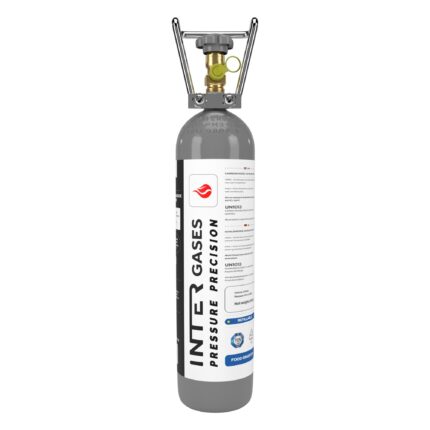
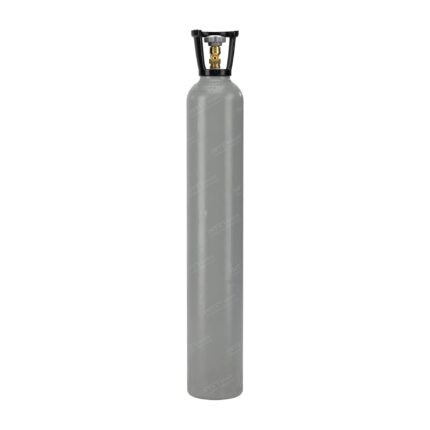
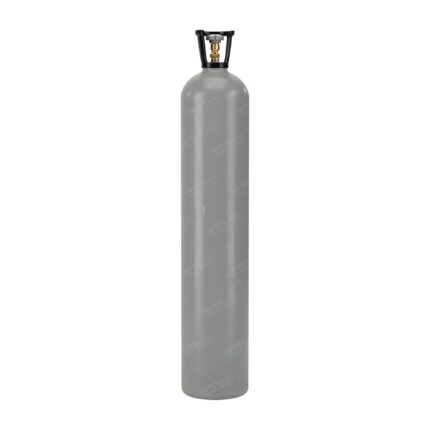
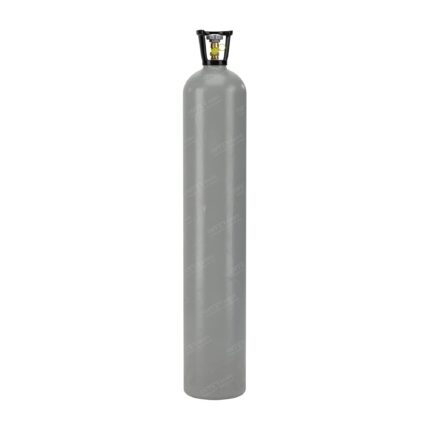
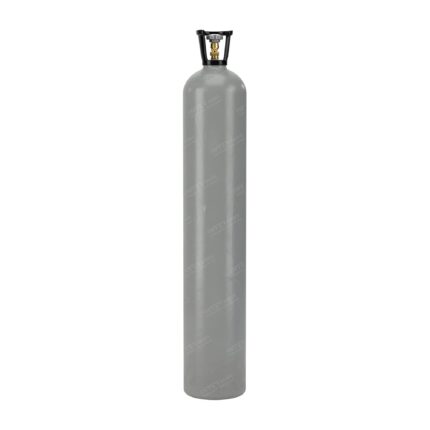
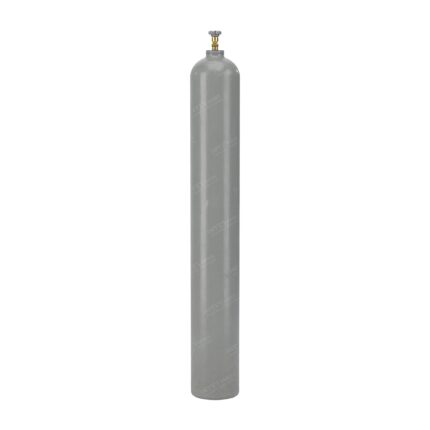
W skrócie: spożywczy dwutlenek węgla (E290) w butli 2 kg wielokrotnego napełniania. Jedno napełnienie 2 kg to prawie pięć cylindrów 425 g do saturatora. Butla jest Twoja: gdy się opróżni, napełnisz ją wysyłkowo za 89 zł. Do SodaStream (z zestawem adaptera), nalewaka piwa i akwarium – wysyłka z Łodzi w 1–2 dni robocze.
Bestseller
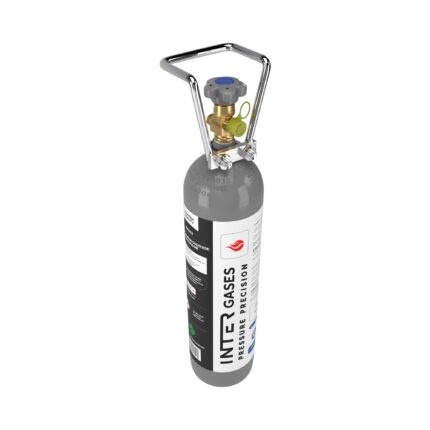
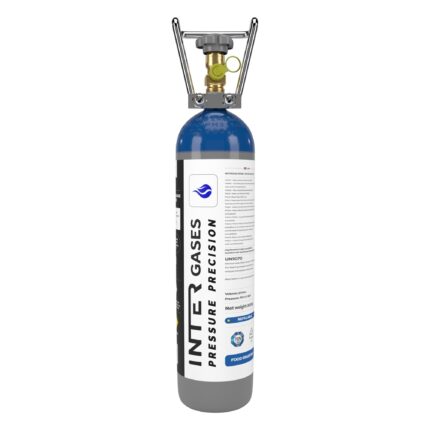
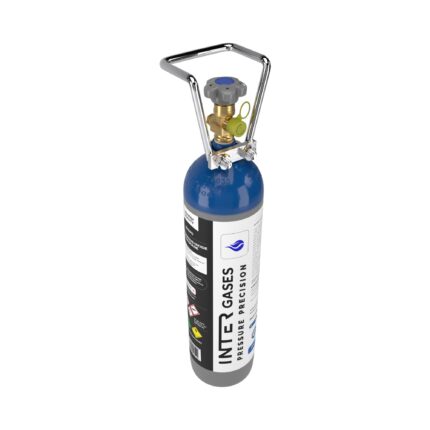
N2O E942 spożywczy – butla 2 kg
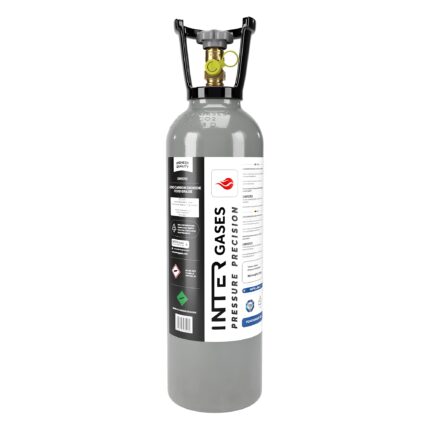
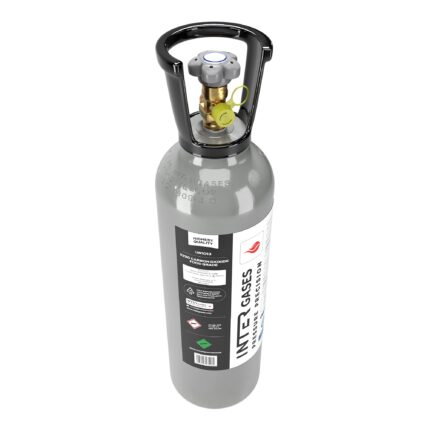
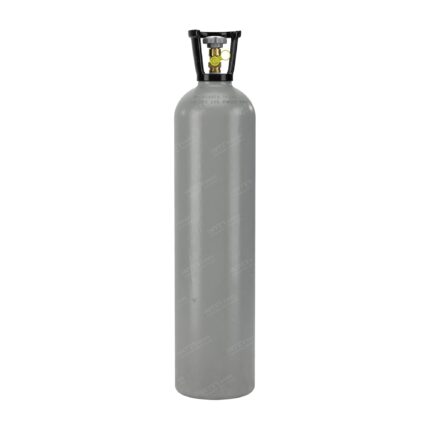
CO2 E290 spożywczy – butla 3,75 kg
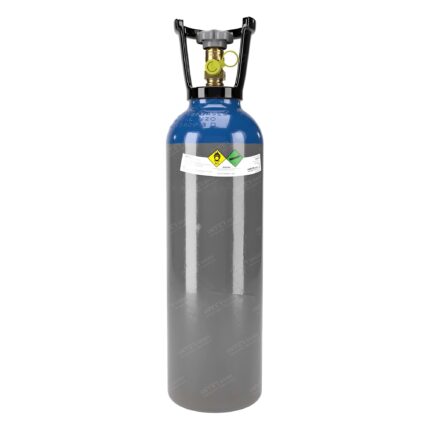
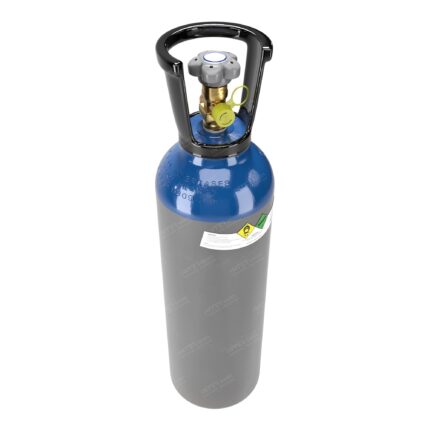
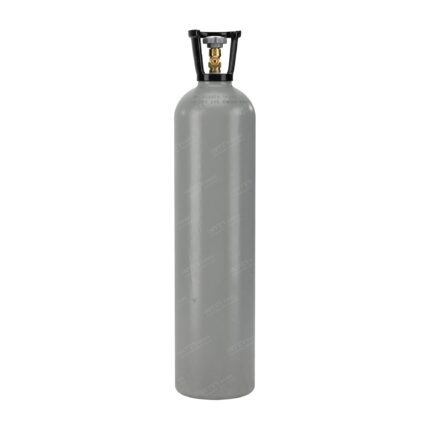
N2O E942 spożywczy – butla 3,75 kg
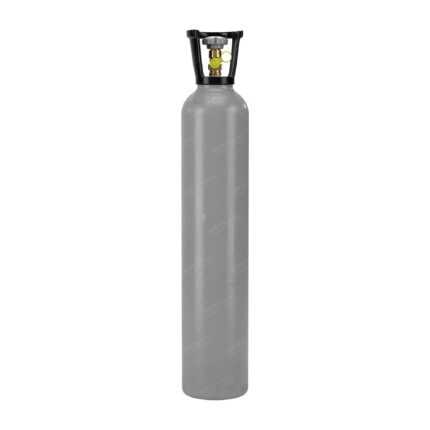
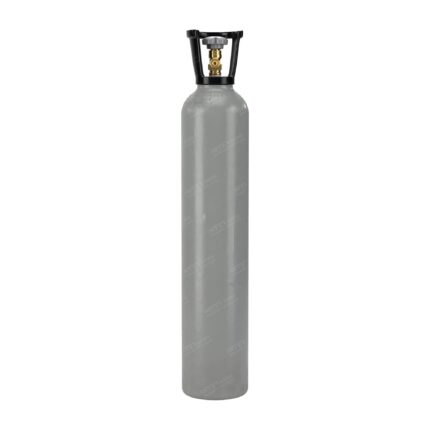
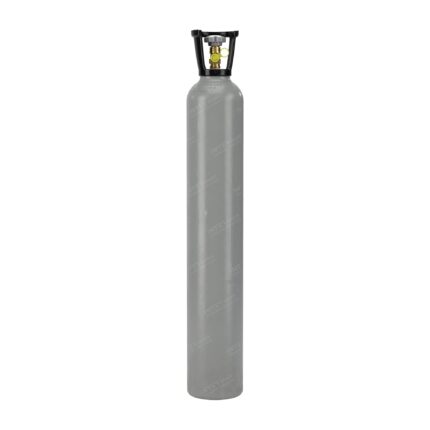
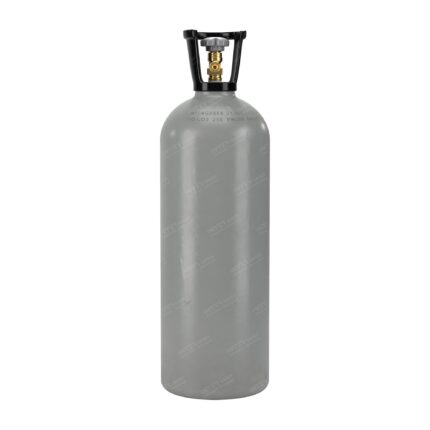
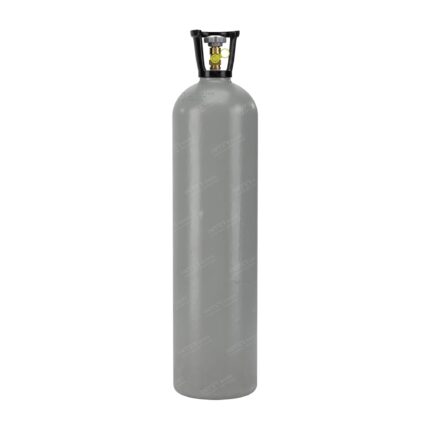
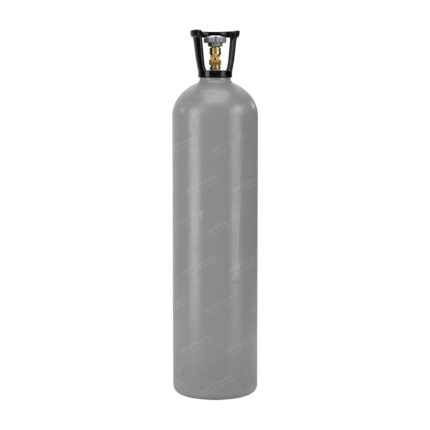
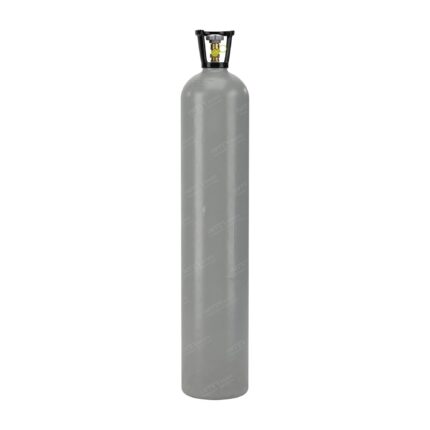
Jaki CO2 do czego?
| Zastosowanie | Odpowiednia butla | Przyłącze |
|---|---|---|
| SodaStream Terra, DUO, Art (szybkozłączka) | Butla 2 kg z zestawem adaptera W21.8 (wąż 1,5 m) – albo od razu zestaw | W21,8 × 1/14″ → szybkozłączka |
| Saturator z butlą jednorazową | Butla jednorazowa 640 g z zestawem adaptera M11×1 | M11×1 |
| Nalewak piwa, bar, gastronomia | 3,75 kg do 37,5 kg (wszystkie butle CO2) | W21,8 × 1/14″ do typowych reduktorów CO2 |
| Akwarium | 2 kg (CO2 do akwarium) | W21,8 × 1/14″ |
| Rozlewnie i zakłady spożywcze | Palety i gitterboxy (hurt i palety), azot E941 i gazy do pakowania | – |
Starsze saturatory z przyłączem gwintowanym: zapytaj nas wcześniej – dopasowania nie sprawdzaliśmy.
Napełnianie wysyłkowe
- Butla od Intergases: wymieniamy od ręki – wysyłamy pełną, sprawdzoną butlę, a pustą odsyłasz z opłaconą etykietą.
- Butla innego dostawcy: napełniamy ją w 1–3 dni robocze, jeśli spełnia minimalne wymagania: zawór W21,8 × 1/14″, ważna data legalizacji, brak uszkodzeń i korozji, sprawny zawór, używana tylko do CO2.
Ceny: 89 zł za 2 kg, 129 zł za 3,75 kg – usługa napełniania butli CO2. Większe butle: wymiana lub napełnienie 8–50 L. Butla jest Twoja, więc możesz ją też napełnić w punkcie w pobliżu, jeśli taki działa.
Dostawa
Wysyłamy z naszego magazynu w Łodzi: po Polsce 1–2 dni robocze, zamówienia do 14:00 wychodzą tego samego dnia roboczego. Małe butle jadą jako paczka; duże (20–50 L) transportem paletowym – koszt zobaczysz w koszyku albo potwierdzimy go w ciągu jednego dnia roboczego, zanim zapłacisz.
Dla firm
Bary, restauracje i hurtownie kupują na fakturę VAT, z dostawą na paletach. Dla firm
Do bitej śmietany w profesjonalnej gastronomii: N2O E942.
Najczęstsze pytania
Co oznacza E290?
E290 to numer dodatku do żywności dla dwutlenku węgla. Nasz CO2 ma jakość spożywczą – do żywności i napojów.
Jaki gwint mają butle?
Butle wielokrotnego napełniania mają zawór W21,8 × 1/14″ (DIN 477 nr 6); butla jednorazowa 640 g ma M11×1.
Czym to się różni od wymiany cylindra w sklepie?
Przy wymianie w sklepie cylinder należy do producenta i za każdym razem płacisz za jego system. U nas kupujesz butlę raz, a potem płacisz tylko za napełnienie – wysyłkowo albo w wybranym punkcie.
Jak przewozić butlę samochodem?
Pionowo i zabezpieczoną, z zamkniętym zaworem i nałożonym kołpakiem, przy otwartym oknie lub dobrej wentylacji, nigdy nie zostawiaj jej w nagrzanym aucie.
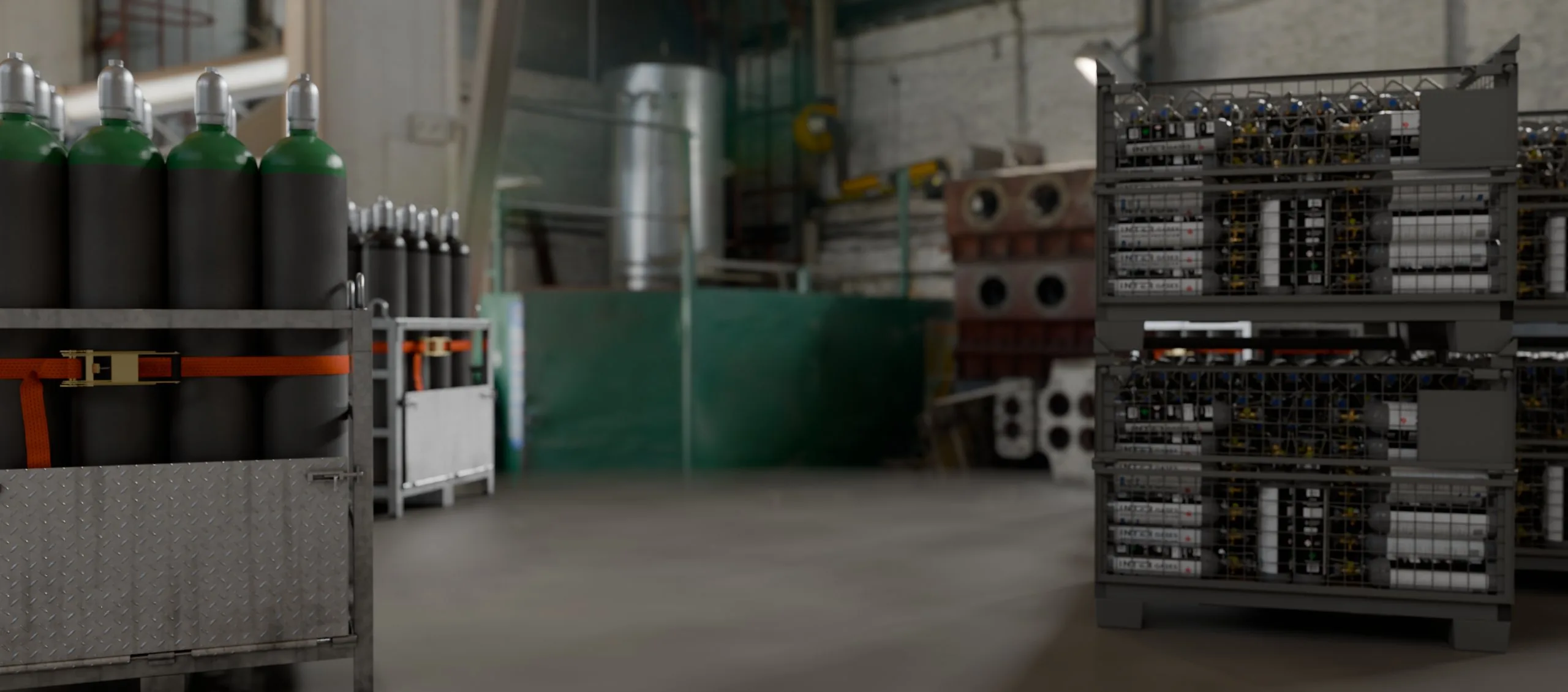
Food grade gas applications in the food industry
Industrial gases such as carbon dioxide (CO2) and nitrous oxide (N2O) play a key role in the food industry, supporting numerous production processes while ensuring product quality and safety. Their applications range from beverages to food processing and gastronomy. Choosing the right gases is not just a matter of operational efficiency but also a fundamental concern for consumer safety.
Our range includes food-grade gases that meet stringent quality standards and have the necessary certifications for safe use in food contact applications. This guarantees that the products you purchase meet the highest market standards and comply with current regulations.
Carbon dioxide food grade (CO2)
Food-grade carbon dioxide is a versatile gas with a wide array of applications in food production and gastronomy. Its unique physicochemical properties make it indispensable in various aspects of food processing.
Carbonation of carbonated beverages
One of the most common uses of carbon dioxide is the carbonation of soft drinks, mineral water, and beer. CO2 not only provides the characteristic refreshing taste but also helps maintain product stability. Its preservative properties limit microbial growth, extending the shelf life of beverages and enhancing their appeal to consumers.
Beer dispensing systems
In the brewing industry, carbon dioxide is widely used in beer dispensing systems. The correct CO2 pressure allows for precise pouring, ensuring optimal foam consistency and the right level of carbonation. Without this process, beer would lose its taste and freshness, significantly affecting its quality.
Food preservation and packaging
CO2 plays a crucial role in modified atmosphere packaging (MAP). By removing oxygen from food packaging, it significantly extends the shelf life of food products, preventing spoilage and the growth of aerobic bacteria. This is particularly important for meat, fish, cheese, and fresh fruits and vegetables, which require special storage conditions.
Freezing and cooling
Carbon dioxide is also used in rapid cooling and freezing processes. In its solid form as dry ice (frozen CO2), it enables long-term food storage and transportation while minimizing the risk of spoilage. In the meat and confectionery industries, dry ice is essential for maintaining the sensory properties of products.
Glass frosting
In gastronomy, CO2 is used to create a frosted glass effect, adding a unique visual appeal to drinks and cocktails. This is an excellent solution for bars and restaurants looking to offer their customers a distinctive aesthetic experience without the need for ice.
Nitrous Oxide in food industry (N2O)
Food-grade nitrous oxide plays a crucial role in the confectionery and gastronomy industries. Its physicochemical properties make it indispensable in processes requiring aeration and achieving a light, fluffy texture.
Whipping cream
One of the primary applications of nitrous oxide is whipping cream. This gas allows for the creation of a uniform, fluffy consistency that cannot be achieved through traditional mechanical methods. As a result, whipped cream remains stable for longer, which is crucial for confectionery and restaurant applications.
Aeration of food products
Nitrous oxide is also ideal for aerating cakes, creams, and desserts. Its properties ensure that air bubbles are evenly distributed, providing exceptional texture and better product stability. This improves the quality and attractiveness of food products for customers.
If you currently aerate your food products with air and are not achieving the desired results, you should definitely try our nitrous oxide. It is a proven and effective solution that will help you achieve superior results in food production.
Safety of food-grade gases in the food industry
Ensuring the safe use of gases in the food industry is a top priority. Food-grade gases are subject to strict regulations and must have the appropriate certifications confirming their quality and suitability for food contact applications.
Our products meet all safety standards and are delivered in sealed containers to minimize the risk of contamination. Using high-quality gases guarantees not only better technological properties but also consumer health and safety.
Wide range of food grade gas applications
Technical gases such as CO2 and N2O have a wide range of applications in the food industry. They are used in beverage production, preservation, packaging, freezing, and the preparation of desserts and baked goods. Their proper use enhances the quality, shelf life, and sensory properties of food products.
With our selection of food-grade gases, you can be sure that the products you use meet the highest safety and quality standards. Whether you operate a production facility, bakery, or restaurant, our gases will help you achieve the best technological and flavor results.


